Woodrow Wilson, the Reader

Woodrow Wilson, the Reader

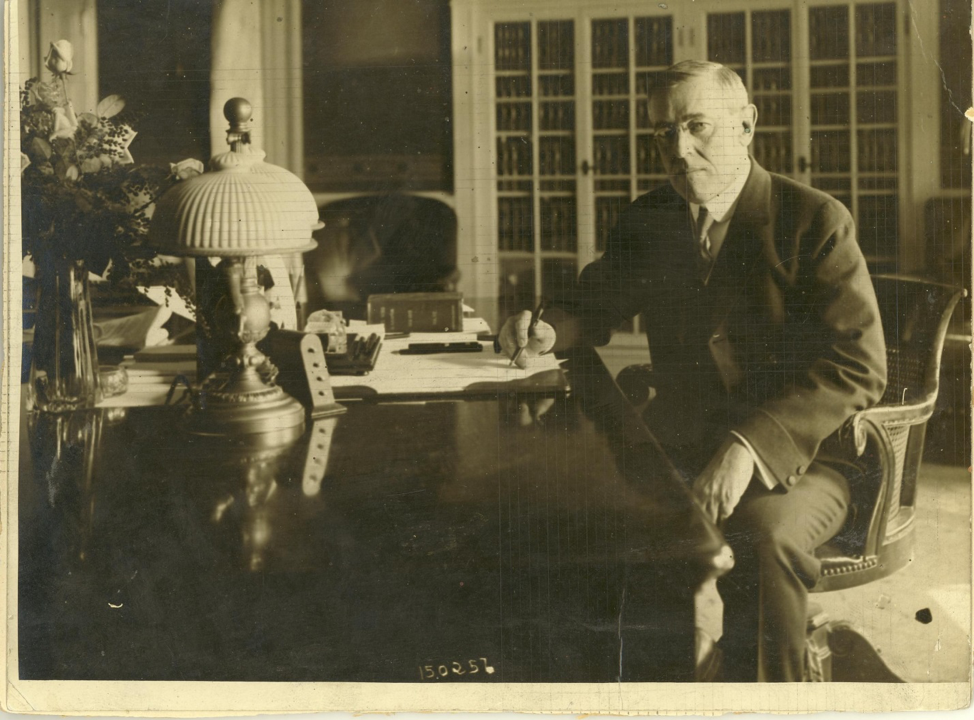
For more than fifty years, historians have discussed whether President Woodrow Wilson had dyslexia or some other type of difficulty reading. As a young boy, Tommy Wilson was considered stupid by some because of the hard time he had learning, though his parents remained confident of his abilities. Wilson told his wife later in life that he did not read until he was nine, and one of his daughters remembered him saying that he was not a confident reader until he was twelve. During his years in college, he complained of how slowly he read, and some have considered his enthusiasm for shorthand to be a sign that it freed him from the slow and troublesome work that taking notes presented him with. President Wilson often insisted on preparing drafts on his own, even for run-of-the-mill letters, though he usually did this on his personal typewriter or using shorthand.

Read More

Woodrow Wilson Quotes

Woodrow Wilson Quotes

Respected as a scholar and writer in his own time, Woodrow Wilson has become famous for some pithy quotes. Oftentimes, though, his original thoughts can get lost in the desire to share something short and sweet. So we thought it was time to share some background and sources for some Wilson sayings you might have heard

Read More

The Oldest Book at the Woodrow Wilson Archives & Research Center

The Oldest Book at the Woodrow Wilson Archives & Research Center

Here in the Library and Research Center, we have quite a few books that are older than you might expect. Not only have there been efforts to acquire volumes that represent what President Wilson’s father, Joseph R. Wilson, would have had in the Manse when working as a Presbyterian minister in Staunton in the 1850s, but donations have come in to us from the wider Wilson family and from collectors of anything ever owned by Woodrow Wilson.

Read More

President Wilson Memorial in Prague, Czech Republic

President Wilson Memorial in Prague, Czech Republic

Former US Secretary of State, Madeleine K. Albright had to live in exile with her family when she was a girl during the Nazi occupation of her native city of Prague, Czechoslovakia. Later, when the Communists took over the country’s government after World War II, her father took the family to the United States, where Madeleine became a citizen, raised a family and earned a PhD before joining the Carter administration. She is well aware of the troubled history of the Czech-speaking lands during the 20th century and before. And the Secretary of State knows very well the role that Woodrow Wilson played in creating the state of Czechloslovakia out of the wreckage of the Austro-Hungarian Empire after the Great War.

Read More

Armistice

Armistice

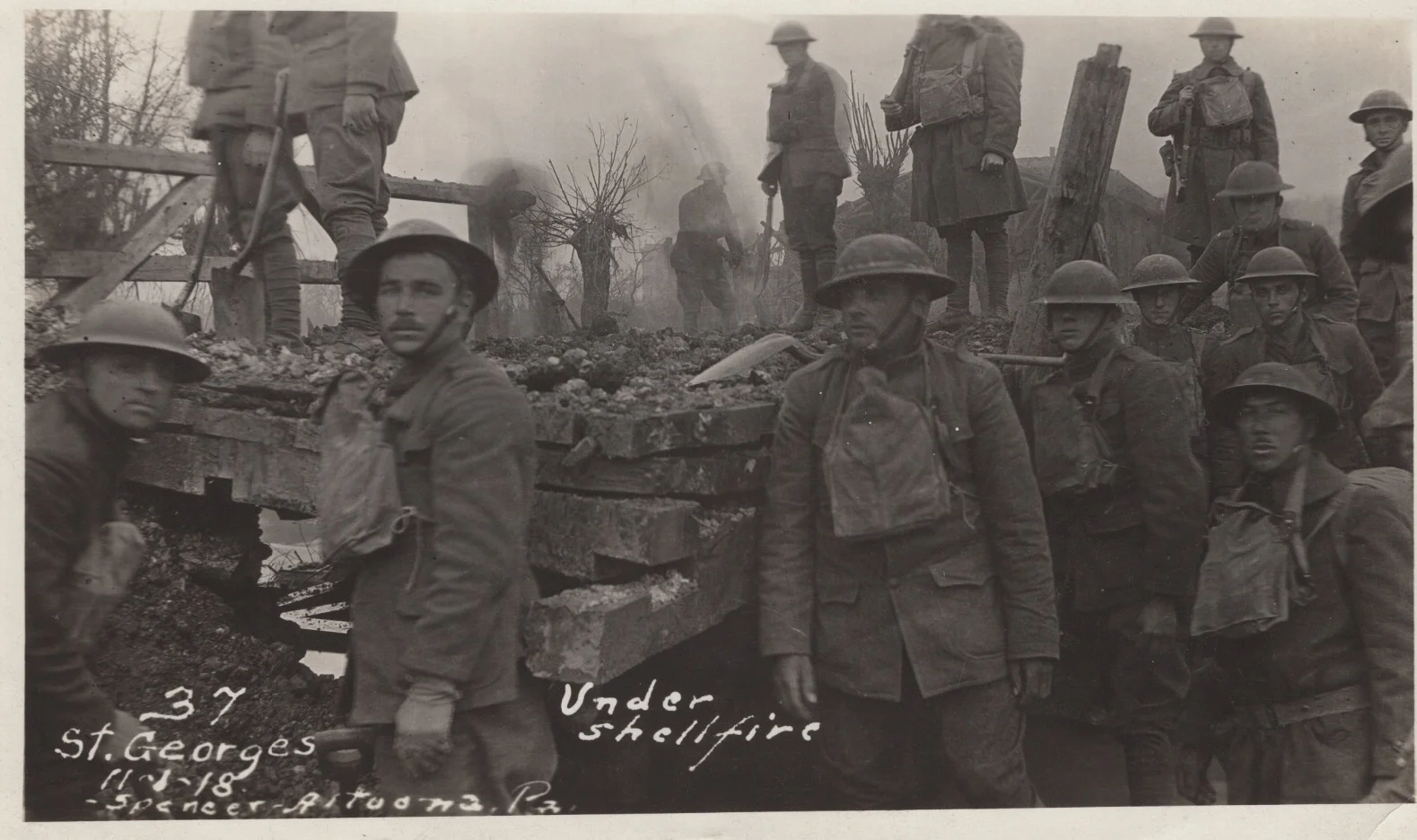
The timing of the end of the war still remained uncertain as the week began, one hundred years ago.  In a letter to his cousin on November 5, Woodrow Wilson wrote, “I am constantly fearful lest mistakes be made in these tremendous matters with which we are dealing, and it is an immense comfort to think of the friends who are helping me with their thoughts and prayers.”

Read More

Final Days

Final Days

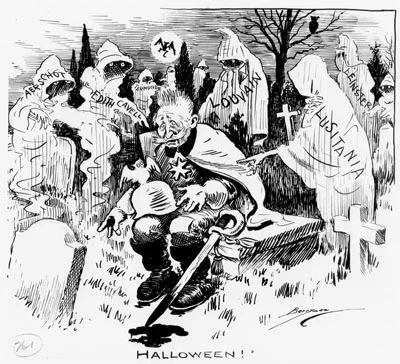
One hundred years ago, the American president still faced uncertainties about how the Germans were going to surrender and how the Allied Powers would negotiate the peace. As Woodrow Wilson wrote to one of his advisers, Colonel House, on October 30, 1918, “We are pledged to fight not only to do away with Prussian militarism but with militarism everywhere.” Wilson insisted that any settlement include the establishment of a League of Nations.

Read More